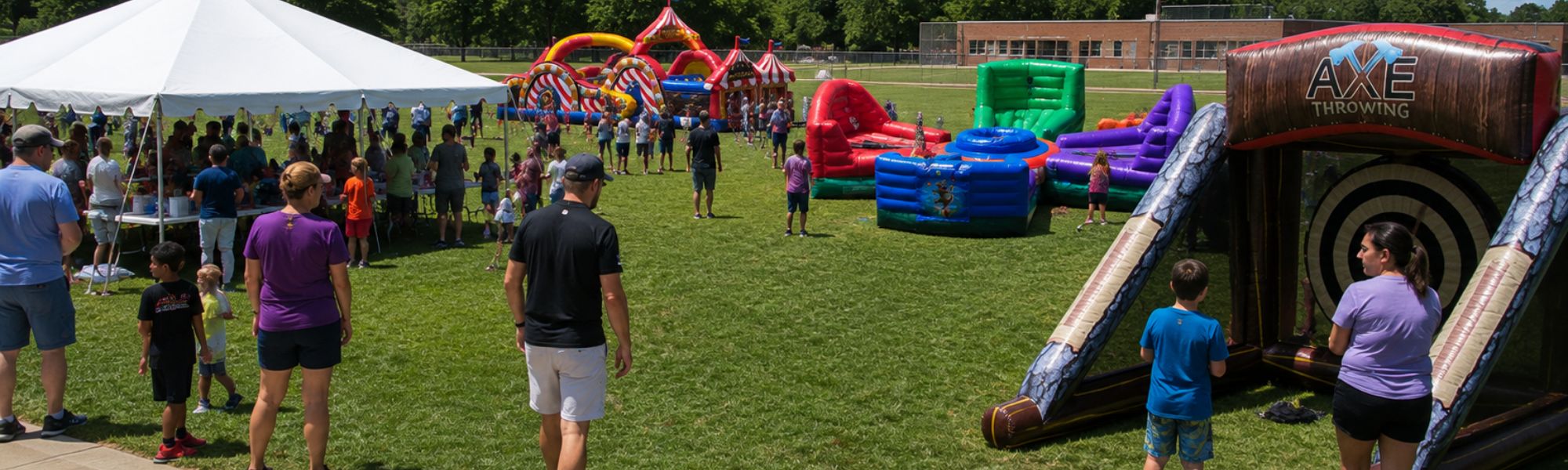
The Complete Guide to Planning School, Church & Community Events
You've been asked to organize the spring festival, and suddenly you're responsible for 300 people having a good time. The committee expects smooth execution, kids expect non-stop fun, and you're wondering where to even start.
Planning a successful community event in Houston means coordinating dozens of moving parts — event rentals, permits, volunteers, weather contingencies, and timing. But break it into phases, and the chaos becomes manageable.
This guide walks through exactly how schools, churches, and community organizations in Houston and Pearland plan events that people actually remember — without the organizer losing their mind in the process.
What You'll Learn
- → How far ahead to start planning (and what to book first)
- → Which type of event you're actually planning
- → Essential event rentals for schools, churches, and festivals
- → What drives costs up (and what keeps them reasonable)
- → Safety and liability requirements you can't skip
- → How to plan for Texas weather unpredictability
- → The biggest planning mistakes (and how to avoid them)
- → Answers to the questions every event planner asks
First: Which Type of Event Are You Planning?
Not all community events follow the same playbook. A 50-person church potluck needs different planning than a 500-person school carnival.
Small Gatherings (Under 100)
What it looks like: Church youth group events, small school fundraisers, neighborhood block parties
Planning timeline: 4-6 weeks
Core needs: 1-2 bounce houses, basic seating, simple food service
Mid-Size Events (100-300)
What it looks like: School field days, church festivals, community organization fundraisers
Planning timeline: 8-12 weeks
Core needs: Multiple inflatables, interactive games, tents, full food service, volunteer coordination
Large Community Events (300+)
What it looks like: County-wide festivals, large school carnivals, town celebrations
Planning timeline: 3-4 months minimum
Core needs: Full event rental package, permits, insurance, traffic control, professional vendors, comprehensive safety plan
The Planning Timeline That Actually Works
The single biggest mistake? Starting too late. Here's what a realistic timeline looks like for a mid-to-large event in Houston.
Weeks Before
Foundation Phase
Set date, secure venue, establish budget, book major event rentals (tents, large inflatables, stages), apply for permits if needed
Weeks Before
Vendor Phase
Confirm all vendors, finalize insurance, recruit volunteer team leaders, create event layout diagram, book remaining rentals
Weeks Before
Promotion Phase
Launch marketing, recruit volunteers, finalize headcount estimates, order supplies, confirm delivery schedules with rental companies
Weeks Before
Execution Phase
Confirm final numbers, train volunteers, hold safety briefing, walk through setup plan, prepare weather backup plan, enjoy the event
Pro tip for Houston events: Add an extra month for anything scheduled March-May or September-November. Those are peak event seasons in Houston and Pearland, and popular rentals like large obstacle courses and water slides book solid. Holiday weekends? Book even earlier.
Essential Event Rentals: What Schools, Churches & Community Groups Actually Need
Every successful event balances three priorities: guest comfort, entertainment value, and food service. Here's how that breaks down in real rental decisions.
Entertainment & Activities
Inflatables (The Big Draw)
This is what kids remember. Bounce houses for younger kids, obstacle courses for mixed ages, water slides for hot Texas days.
Rule of thumb: One inflatable per 40-50 kids keeps lines short and meltdowns minimal.
Interactive Games
Interactive games fill the gaps. Dunk tanks for school fundraisers (teachers love being targets). Giant games like Connect Four or cornhole for all ages. Photo booths for teens who won't bounce.
Smart move: Mix high-energy (inflatables) with low-energy (games) so kids can rotate.
Comfort & Infrastructure
Tents & Shade
Non-negotiable in Texas. Budget for enough shade to cover 60% of your expected headcount — more for May-September events.
Tables & Chairs
Plan seating for 30-40% of guests at any given time. Most people stand and mingle, but families with young kids need spots to regroup.
Power & Lighting
Map your power needs early. Inflatables need dedicated circuits. Food service needs separate power. Evening events need lighting that doesn't drain generators.
Food Service Equipment
Concession rentals turn good events into great ones. Popcorn and snow cone machines are low-effort crowd pleasers. Cotton candy machines require a volunteer who knows what they're doing. Full food setups need proper serving tables, warming equipment, and plenty of ice.
Church events: Focus on serving equipment for potlucks — chafing dishes, beverage dispensers, serving tables.
School fundraisers: Concessions are revenue generators — price appropriately and staff adequately.
What Drives Event Rental Costs Up (And What Keeps Them Reasonable)
Rental costs aren't random. Understanding the drivers helps you make smarter budget decisions.
↑ What Pushes Costs Up
- Peak season bookings — spring and fall weekends in Houston command premium pricing
- Last-minute reservations — booking under 4 weeks out limits availability and flexibility
- Delivery logistics — difficult access, long setup distances, or complex site requirements
- Large or specialty items — giant obstacle courses, custom inflatables, stage setups
- Extended rental periods — multi-day events or overnight holds
↓ What Keeps Costs Down
- Booking early — 8+ weeks gives you access to full inventory and better pricing
- Off-peak timing — winter events and weekday bookings offer flexibility
- Package deals — bundling multiple rentals from one vendor saves coordination and delivery fees
- Easy setup locations — flat, accessible sites with nearby power and parking
- Standard rental windows — 4-6 hour events keep logistics simple
Budget reality check: A typical mid-size school or church event (150-200 people) in Houston runs $1,200-2,500 for full event rentals — inflatables, tents, seating, and games. Scale up or down based on headcount and entertainment priorities. Don't forget volunteer appreciation, permits, and insurance in your total budget.
Safety & Liability: The Non-Negotiables
Nobody wants to think about what could go wrong. But the most successful event organizers plan for contingencies before they're needed.
Insurance & Permits
Certificate of insurance: Most rental companies carry liability coverage, but confirm they'll add your organization as an additional insured. If you're using a public park in Houston or Pearland, the venue will likely require proof of insurance.
Permits: Large events on public property need permits — Houston city parks require applications 30+ days ahead. Private property (like church grounds) typically doesn't need permits unless you're blocking streets or expecting 500+ attendees.
Fire marshal requirements: If you're using tents over a certain size or serving food, check local fire codes. Harris County has specific spacing requirements for large tents and propane equipment.
Inflatable Safety Standards
Reputable rental companies in Texas anchor inflatables properly (stakes for grass, sandbags for concrete), inspect units before delivery, and provide safety instructions. Your job: enforce them.
🚩 Red Flags During Setup
- Inflatable placed over sprinkler heads or drainage grates
- Extension cords running across walkways without protection
- Anchoring that looks loose or inadequate for the unit size
- No clear entrance/exit signage or supervision plan
🚩 Weather Shutdown Rules
- Winds over 20 mph — deflate and secure all inflatables
- Lightning within 10 miles — clear all outdoor activities immediately
- Heavy rain — shut down electrical equipment and assess standing water
- Extreme heat — enforce hydration breaks and shade rotation for kids
Volunteer Safety Briefing
Hold a 15-minute safety briefing 30 minutes before doors open. Cover:
- Emergency contacts — who to radio/text if something goes wrong
- First aid location — always have a clearly marked station with basic supplies
- Inflatable supervision — one adult per unit, enforce age/size limits, watch for rough play
- Weather monitoring — designate one person to watch radar and make shutdown calls
- Lost child protocol — central meeting point, PA system procedure
Planning for Texas Weather (Because You Know It's Coming)
Spring events get pop-up storms. Summer events get brutal heat. Fall events get... honestly, fall is pretty reliable. But you still need contingency plans.
Rain Backup Plan
Best option: Book a rain date with your rental company upfront. Most Houston providers will hold equipment for an alternate date if you reserve it early.
Indoor backup: Have a gym or parish hall available if possible. Scale down activities to fit the space.
Communication plan: Decide by what time you'll make the call (usually 24-48 hours ahead) and how you'll notify attendees.
Heat Management
Shade is mandatory: Don't skimp on tent coverage. May-September events in Texas can hit 95+ degrees with high humidity.
Water stations everywhere: Multiple coolers, clearly marked, refilled frequently.
Misting fans: For large outdoor events, consider renting cooling stations or misting systems.
Wind & Storm Protocol
Monitor actively: One volunteer watches weather radar continuously during the event.
Lightning rule: If you hear thunder or see lightning, clear outdoor activities immediately. Wait 30 minutes after the last lightning before resuming.
High wind: Sustained winds over 20 mph mean inflatables get deflated. No exceptions.
The Biggest Event Planning Mistakes (And How to Avoid Them)
These are the mistakes experienced organizers see repeatedly. Learn from other people's stress.
🚩 Underestimating Setup Time
The mistake: Thinking a 10am event means rentals arrive at 9:45am.
The fix: Schedule delivery 2-3 hours before doors open. Large inflatables take 20-30 minutes each to set up and safety check.
🚩 Skipping the Site Walk-Through
The mistake: Assuming everything will "just work" on event day.
The fix: Visit the site with your rental company rep. Identify power sources, measure spaces, spot drainage issues, plan traffic flow.
🚩 Over-Scheduling Activities
The mistake: Packing the schedule so tight that nothing runs on time and everyone is stressed.
The fix: Build in 20-minute buffer windows. Let people free-play. The best community events feel relaxed, not rushed.
🚩 Not Recruiting Enough Volunteers
The mistake: Thinking 5 people can manage a 200-person event.
The fix: One volunteer per 20-25 attendees minimum. Assign clear roles: inflatable monitors, check-in, food service, floaters.
🚩 Forgetting Cleanup Logistics
The mistake: Everyone leaves and you're stuck with 30 bags of trash and no plan.
The fix: Coordinate pickup times with your rental company. Have a dedicated cleanup crew that commits to staying 30 minutes post-event.
🚩 No Backup Communication Method
The mistake: Relying only on cell phones when volunteers are spread across a noisy field.
The fix: Walkie-talkies for key team leaders. One central command station where people can find answers.
Frequently Asked Questions About Event Planning
How do I plan a successful community event?+
Start planning 8-12 weeks ahead for large events. Book your venue and major rentals first, then build backwards from your event date.
Create a timeline with weekly checkpoints: secure permits and insurance by week 8, confirm vendors by week 6, finalize headcount by week 4, and do a final walkthrough 48 hours before. The most successful events prioritize guest experience — have backup plans for weather, enough shade and seating, and activities for all age groups.
What rentals do schools and churches typically need?+
The big three are inflatables (bounce houses, obstacle courses, or water slides), seating and shade (tables, chairs, tents), and food service equipment (concession machines, serving tables).
Schools often add interactive games and dunk tanks. Churches frequently need sound systems and serving equipment for potlucks. Community festivals typically require the full package plus traffic control items like barricades and signage.
When should large events start planning?+
Book major event rentals 2-3 months ahead for spring and fall events in Houston — those are peak seasons. Summer and winter events can be planned 6-8 weeks out.
If your event falls on a holiday weekend or during festival season, add another month. Popular items like large inflatables and tent packages book fastest, so secure those first before finalizing other details.
How much do event rentals cost in Houston?+
A typical mid-size school or church event (150-200 people) runs $1,200-2,500 for full event rentals including inflatables, tents, seating, and games.
Small gatherings under 100 people might run $400-800. Large community festivals can exceed $5,000 depending on the scope. Costs increase for peak season bookings (spring/fall), last-minute reservations, and specialty equipment. Booking early and bundling rentals from one vendor typically offers the best value.
Do I need insurance for a community event?+
Yes, especially for events on public property or with inflatables. Most rental companies carry liability coverage and can add your organization as an additional insured on their policy.
Houston city parks and most public venues require proof of insurance before approving your event. Even for private property events, having coverage protects your organization and volunteers. Ask your rental provider about insurance certificates when you book.
What happens if it rains on event day?+
Book a rain date with your rental company when you make your initial reservation. Most Houston providers will hold equipment for an alternate date if reserved early.
Have an indoor backup location if possible (gym, parish hall). Decide 24-48 hours ahead whether to postpone, and have a communication plan ready to notify attendees quickly. Light rain can often be managed with tents, but lightning, heavy storms, or high winds require event cancellation for safety.
How many volunteers do I need for a community event?+
Plan for one volunteer per 20-25 attendees as a baseline. A 200-person event needs at least 8-10 volunteers with clear role assignments.
Key roles include inflatable monitors (one adult per unit), check-in/registration, food service, setup/cleanup crew, and floaters who can fill gaps. Recruit extra volunteers — some will inevitably cancel last-minute. Hold a brief safety meeting 30 minutes before the event starts to review emergency procedures and responsibilities.
What's the most important thing first-time event planners forget?+
Setup time. First-time organizers consistently underestimate how long it takes to transform an empty field into a functioning event space.
Schedule rental delivery 2-3 hours before doors open — large inflatables take 20-30 minutes each to set up and safety check. Add time for placement adjustments, power testing, and your own decorations or signage. Rushed setup leads to mistakes, safety issues, and stressed organizers. Build in buffer time and thank yourself later.
Ready to Start Planning Your Event?
Orbit Moonwalk helps schools, churches, and community organizations in Houston and Pearland plan successful events without the stress. We handle the logistics, you enjoy the celebration.
No pressure, no pitch — just a conversation about what you're planning and how we can make it easier.
Book Your Party Now!Call (337) 442-7617